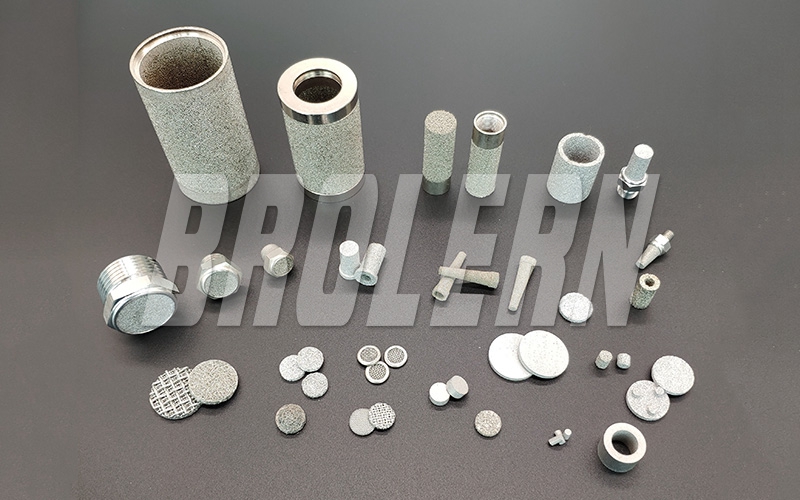
A sintered stainless steel filter is not a consumable — it is a reusable asset. The ability to clean and regenerate the element many times is the single biggest reason sintered media beats disposable cartridges on total cost of ownership (TCO). This guide covers why sintered stainless cleans so well, the practical cleaning methods, how many cycles to expect, and how to build a TCO comparison your procurement team will accept.
Why sintered stainless cleans so well
The media is a rigid, fully bonded porous structure. Unlike pleated paper or melt-blown cartridges, it has no loose fibres to trap debris permanently and no binder to soften. Contaminants sit in open, connected pores that can be flushed, soaked or vibrated out, and the element returns close to its original flow characteristics.
Cleaning methods
- Backflush / reverse flow. Reverse the flow to eject surface and near-surface solids. Fast, inline, good for coarse fouling and frequent cycling.
- CIP (clean-in-place). Circulate a compatible cleaning solution (alkali, acid or detergent per the fouling) through the system. Effective for oils, proteins and scale without disassembly.
- Ultrasonic bath. Submerge the element; cavitation dislodges embedded fines. Excellent for precision restoration of fine-rated elements.
- Chemical soak. For stubborn or reactive fouling, soak in a targeted solvent or dilute acid/alkali, then rinse.
Method choice follows the foulant: loose solids → backflush; organics/oils → CIP or soak; embedded fines → ultrasonic.
How many cycles to expect
Cycle life depends on rating, foulant and cleaning discipline, but sintered stainless elements commonly deliver dozens to hundreds of effective cleaning cycles before structural or irrevocable fouling ends service life. A documented cleaning log is the best way to learn your real number and schedule replacement before performance degrades.
Building the TCO case
Compare sintered (reusable) against disposable media on the same basis — cost per filtered volume over a fixed period:
| Cost line | Disposable cartridge | Sintered stainless |
|---|---|---|
| Element purchase | Low, frequent | High, once |
| Change-out labour | Recurring | Rare (clean in place) |
| Downtime | Recurring | Minimal |
| Waste / disposal | Ongoing | Negligible |
| Total / period | High, cumulative | Low after payback |
Most operations reach payback within the first year of heavy use. Sintered also removes the supply and disposal risk of recurring cartridge purchases.
When to replace, not clean
Replace the element when cleaning no longer restores flow within tolerance, when the structure is physically damaged, or when a verification (bubble-point or challenge) shows the absolute rating has shifted. Keep one spare on the shelf so a replacement never becomes an unplanned shutdown.
FAQ
How do I know an element is fully cleaned?
Measure flow at a fixed differential pressure before and after cleaning; if it does not return to within tolerance, escalate to ultrasonic or chemical cleaning, then verify.
Can I use any cleaning chemical?
Stay within the corrosion limits of 316L stainless and any seals. Avoid chlorides in concentrations that risk pitting; we supply a cleaning guideline per media grade.
Is regeneration safe for food or pharma duty?
Yes, provided validated cleaning and rinse steps are documented; the inert 316L surface and cleanable structure are why sintered stainless is used in these industries.
Conclusion
Treat the sintered stainless element as a reusable asset: pick the cleaning method to the foulant, log cycles, and replace on verified degradation rather than a calendar. The TCO almost always favours sintered over disposable media in continuous duty. Talk to our sintered solutions team for a duty-specific cleaning procedure.