Core points
- Four mechanisms cover almost all industrial cartridges: depth, surface, wound and sintered. They differ in where the particle is trapped, and that single fact predicts pressure drop, dirt holding and cleanability.
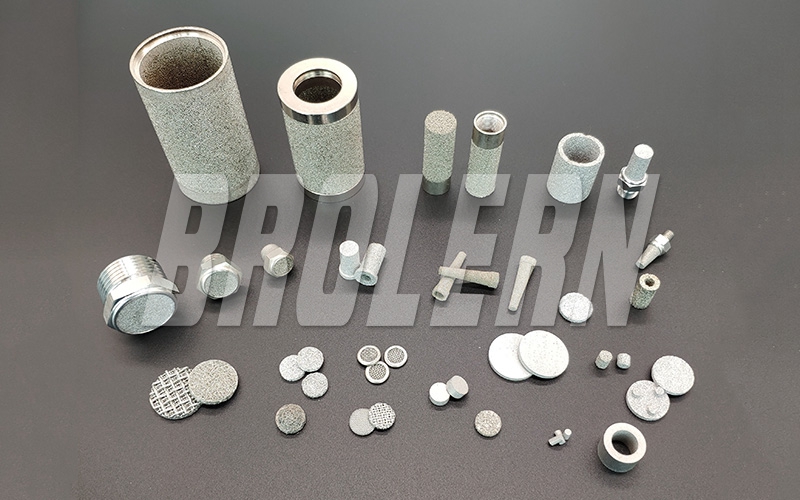
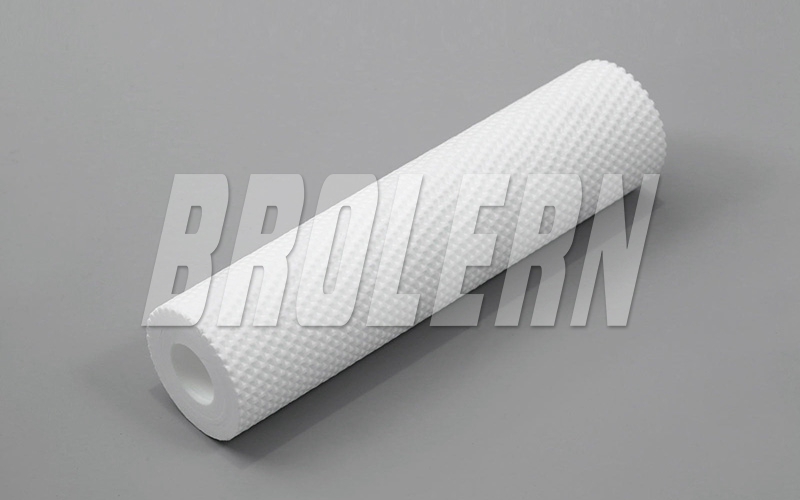
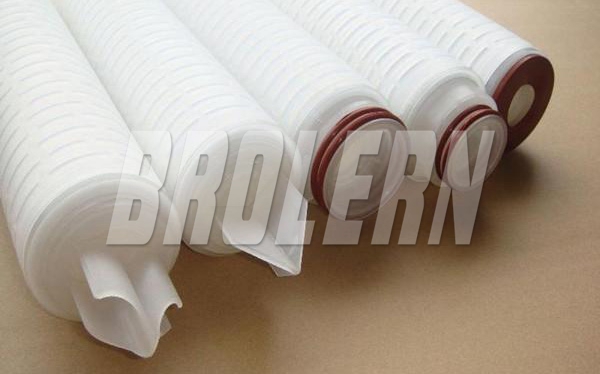
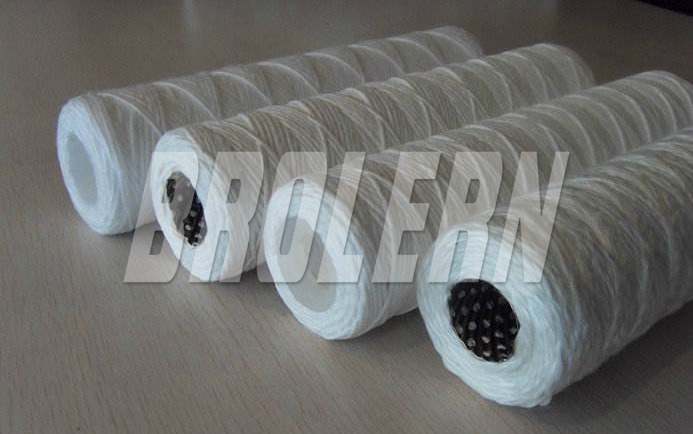
- Depth traps throughout the bulk; surface traps on a membrane; wound traps in the labyrinth of fibres; sintered traps on the fused metal surface.
- Mechanism predicts behaviour. A depth element holds the most dirt but drops pressure steadily; a surface element stays clean longer but needs more area.
- Most good systems combine two mechanisms - a depth or wound stage in front, a surface stage behind.
Mechanism comparison
| Mechanism | Where it traps | Dirt holding | Pressure drop | Cleanable |
|---|---|---|---|---|
| Depth (melt-blown) | Throughout the fibre bulk | High | Steady rise | No |
| Surface (pleated membrane) | On the membrane face | Medium | Low, rises on loading | No (SS yes) |
| Wound (string wound) | In the fibre labyrinth | High | Steady rise | No |
| Sintered (metal / plastic) | On the fused surface | High | Low, regenerable | Yes |
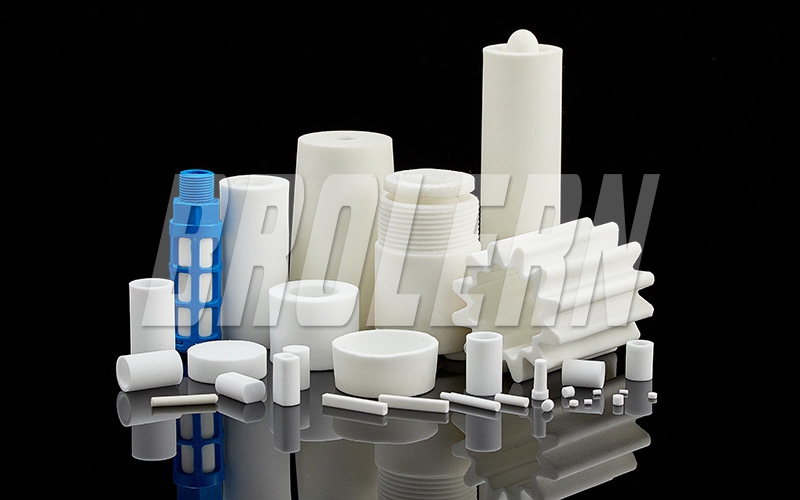
The four mechanisms - each traps particles in a different place, which predicts its behaviour.
Why mechanism predicts pressure drop
Surface elements present a large face to the fluid and hold their initial pressure drop low, but the captured dirt sits on that face and closes it up. Depth and wound elements spread the dirt through a volume, so they hold a lot before the drop becomes a problem, but the drop climbs continuously from day one. Sintered elements are different again: the fused surface is rigid and cleanable, which is why they are the reusable option.
Combining mechanisms
Because the mechanisms fail differently, pairing them is the standard way to get both capacity and precision:
- Wound or depth in front absorbs the bulk dirt so the fine stage behind it does not clog.
- Sintered in the middle gives a cleanable barrier where duty is hot, oily or corrosive.
- Surface or fine membrane last delivers the actual micron you are paying for.
The rule of thumb: the front stages protect the precision, and the precision is what you are actually buying.
FAQ
Which mechanism holds the most dirt?
Depth and wound mechanisms. They trap particles through their whole volume rather than on a surface, so they absorb a large load before pressure drop becomes a problem.
Which mechanism is reusable?
Sintered. The fused metal or plastic surface is rigid and can be backflushed, ultrasonically or acid-cleaned, which is what makes it economical over many cycles.
Can I mix mechanisms in one housing?
Yes, and it is common. A wound or depth stage in front of a fine surface element protects the fine element and extends its life.
Conclusion
A filter cartridge is a small part of a larger system, and the expensive mistakes are almost always specification mistakes made before the quote. Fix the duty first, then choose the format and the media, then put the acceptance tests in writing. Send BROLERN your fluid data and we will return a drawing, a media recommendation and a test protocol.
Applying this to your process?
Send us the duty sheet - fluid, temperature, pressure, flow, target micron, housing type and quantity - and we will return a shortlist with a drawing and a firm quote. Browse the product index or start from the RFQ form. Not sure of the format yet? Ask for two sample cartridges so your team can bench-test both.