Core points
- The seal, not the media, fails first in most chemical attacks - you must specify both the media and the O-ring.
- Seal rank by chemical resistance: PTFE / FFKM (best) > FKM (Viton) > EPDM > silicone > NBR (worst).
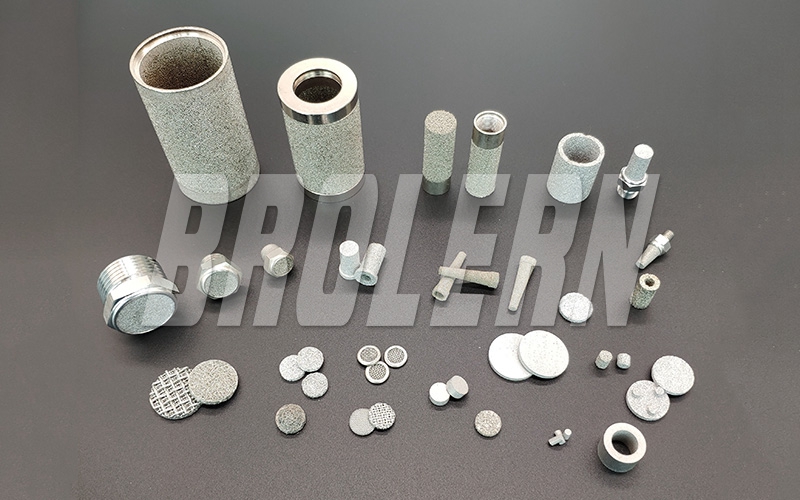
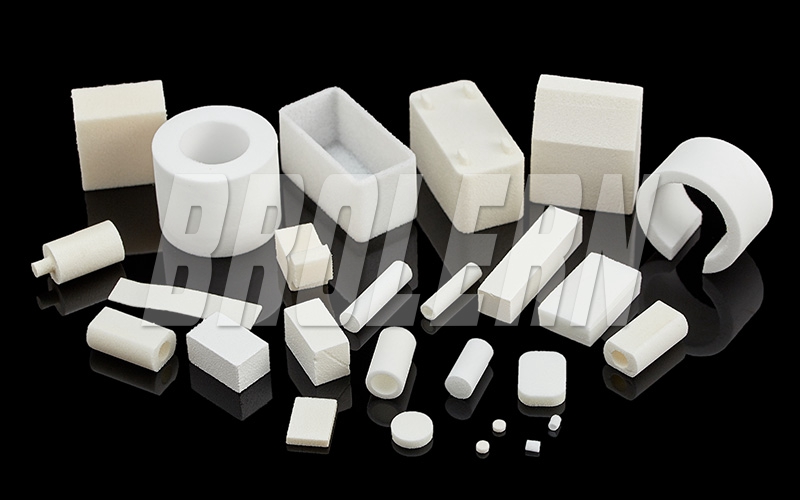
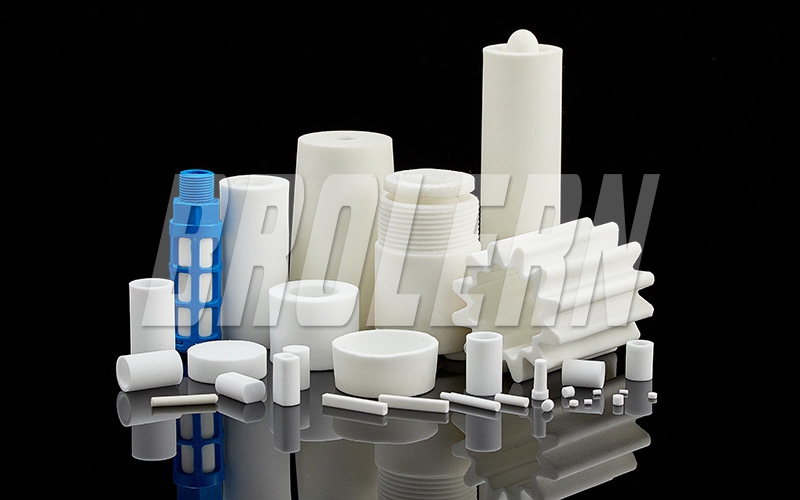
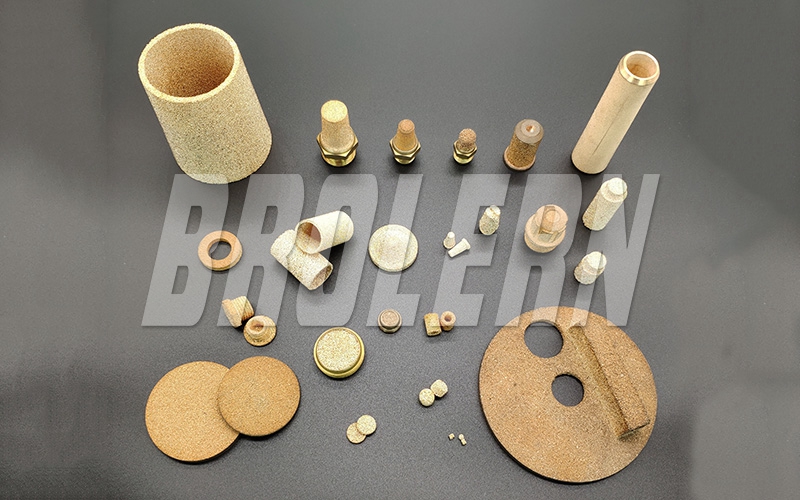
- Media rank: 316L stainless steel and PVDF resist the widest fluid range; sintered plastic resists most aqueous fluids but not aromatics above 60 °C; bronze resists many but not strong acids.
- Always confirm against a full compatibility chart and, for a new fluid, run a sample test on your actual process stream.
Fluid → media → seal master table
Guidance for common process fluids. "Best" means the safest long-term choice; "ok" means acceptable for the stated condition. Always verify with the supplier chart for your exact concentration and temperature.
| Fluid (typical condition) | Recommended media | Recommended seal | Note |
|---|---|---|---|
| Dilute sulfuric acid (≤80%, ambient) | 316L SS, PVDF, PP/plastic | PTFE / FFKM, FKM | Avoid bronze |
| Concentrated / hot sulfuric | 316L SS (≤80%), PVDF | PTFE | Confirm temperature |
| Hydrochloric acid | 316L SS (dilute), PVDF | PTFE / FFKM | 316L pits in hot conc. HCl |
| Nitric acid | 316L SS (dilute), PVDF | PTFE | Avoid PP above limits |
| Sodium hydroxide / caustic (incl. hot CIP) | 316L SS, PP/plastic, PVDF | EPDM, FKM, PTFE | EPDM fine for caustic |
| Ammonia / amines | 316L SS, PP | EPDM, FKM | Avoid copper/bronze |
| Steam / SIP cleaning | 316L SS (sintered) | PTFE / FFKM, silicone (temp-limited) | Polymers soften; use SS |
| Hypochlorite / bleach | 316L SS, PVDF | EPDM, FKM | Avoid NBR, avoid bronze |
| Seawater / brackish | 316L SS, PVDF, PP | PTFE, FKM | 316L resists chloride |
| Acetone / MEK (ketones) | 316L SS, PVDF (check), PTFE | PTFE, FKM | PP swells; avoid plastic |
| Toluene / aromatics | 316L SS, PTFE, PVDF (limited) | PTFE, FKM | Avoid PP/PE >60 °C |
| Ethanol / alcohols | 316L SS, PP, PVDF | EPDM, FKM, PTFE | Generally fine |
| Edible oil / fat | 316L SS, PP, bronze (food grade) | Silicone (food), PTFE | Check food cert |
| Compressed air / gas | Bronze, 316L SS, PP, fiber | NBR, FKM, EPDM | Bronze also silences |
| DI / UPW (ambient-85 °C) | PVDF, 316L SS, PP | EPDM, PTFE | Low extractables needed |
Media most often specified for aggressive fluids - open the product page for parameters.
How to read a compatibility chart
Charts use ratings such as "recommended / limited / not recommended", often at a stated concentration and temperature. Two rules save buyers:
- The weakest link is the seal. A 316L cartridge with an NBR O-ring will leak or swell in hot caustic long before the steel is affected.
- Temperature moves the rating. A fluid "recommended" at 20 °C can become "limited" at 80 °C. Always read the chart at your duty temperature.
Seal selection mini-table
| Seal | Temperature | Best with | Avoid |
|---|---|---|---|
| NBR (nitrile) | -30 to 100 °C | Oil, water, air | Ozone, ketones, strong acids |
| EPDM | -40 to 150 °C | Hot caustic, steam (limited), water | Oil, solvent |
| Silicone | -50 to 180 °C | Food, pharma (low extractables) | Tear, steam cycling |
| FKM / Viton | -20 to 200 °C | Acids, fuels, many solvents | Hot amines, ketones (some) |
| PTFE / FFKM | -20 to 260 °C | Almost everything aggressive | Cost, cold creep (FFKM better) |
FAQ
Which seal for hot caustic CIP?
EPDM and FKM both resist caustic; PTFE/FFKM is the safest for the hottest, most aggressive CIP. Confirm the temperature rating on the chart.
Can I use bronze with acid?
Generally no for strong acids - bronze is best for air, oils, fuels and mild aqueous streams. Use 316L stainless steel or PVDF for acidic duty.
What if my fluid is not in the table?
Send the safety data sheet (concentration, temperature, impurities) to the supplier and request the written compatibility chart plus a sample test on your actual stream.
Conclusion
The fastest way to a correct specification is to fix the duty first - fluid, temperature, pressure, cleanliness requirement and budget - then shortlist one or two media before you ask for a quote. The articles below go deeper on each media and on the procurement steps.
Applying this to your process?
Send BROLERN your fluid data sheet (chemistry, temperature, flow, target micron and seals) and we will shortlist the media, return a drawing and quote. Start from the product index or the RFQ form. For a staged train or a regulated line, ask for a sample first - see our pilot-order guide.