Core points
- Seven cartridge media cover almost every industrial duty; the right one is set by fluid chemistry, temperature, cleanability/validation need and budget - not by the micron rating alone.
- Sintered metals (bronze, 316L) and sintered plastic are cleanable and reusable; melt-blown, pleated and string-wound are disposable depth or surface elements.
- PVDF and 316L stainless steel survive the hottest, most aggressive duties; plastic and melt-blown are the economical choice for ambient, mild fluids.
- Use the matrix, then the three-question decision flow, to shortlist one or two media before you request a quote.
The 7-media comparison matrix
The table below is the fastest way to narrow a long list of cartridges to the two or three media worth testing on your fluid. Read it top to bottom, then jump to the decision flow.
| Media | Typical temp limit | Chemical fit | Micron range | Cleanable? | Relative cost | Best-fit duty |
|---|---|---|---|---|---|---|
| Sintered plastic (PE/PP) | ~80 °C (130 °C steam) | Most aqueous fluids, pH 0-14; avoid aromatics >60 °C | 1-100 µm | Yes (>30 CIP cycles) | Low | RO pre-filter, electroplating, F&B, pharma (non-sterile) |
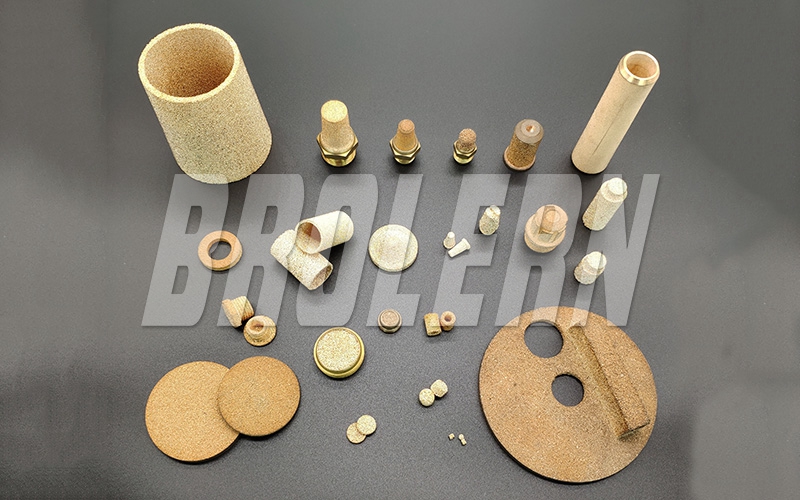
| Sintered bronze (CuSn10) | 300-400 °C | Air, oils, fuels, many solvents; not strong acids | 1-100 µm | Yes | Medium | Compressed air, hydraulics, fuel, silencers, catalyst recovery |
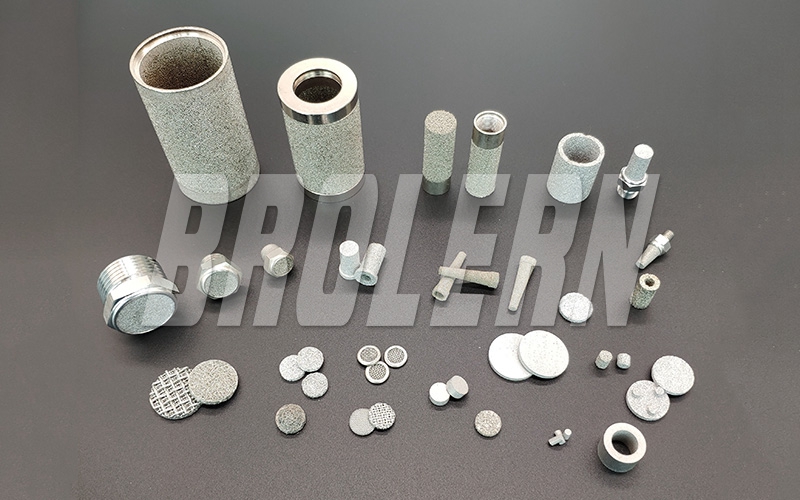
| Sintered 316L stainless steel | 600-900 °C | Chlorides, H2SO4≤80%, seawater, pH 1-14 | 0.5-100 µm | Yes (backwash/ultrasonic) | High | Pharma, CIP/steam, desalination, semiconductor UPW, hydraulics |
| PVDF | 90-100 °C (135 °C short) | Hot strong acids/alkalis/oxidizers, most solvents | 0.1-100 µm | Sometimes (membrane) | Medium-High | Hot DI/UPW, pharma hot loops, F&B hot CIP, hot solvent API |
| Fiber (PP / glass) | PP ~80 °C; glass ~300 °C | PP: aqueous; glass: broader, brittle | 0.5-100 µm | No | Low-Medium | Air/gas, water, oil mist, coalescing |
| Melt-blown (PP depth) | ~60-80 °C | Aqueous, oils; not aromatics/strong oxidizers | 1-100 µm | No | Low | High-sediment pre-filter, viscous fluids, economical depth |
| Pleated (PP/PES/PTFE/SS) | PP ~80 °C; PTFE/SS much higher | Depends on membrane; PTFE broadest | 0.1-100 µm (absolute) | SS yes; others no | Medium-High | Final polish, high flow, long life, absolute rating |
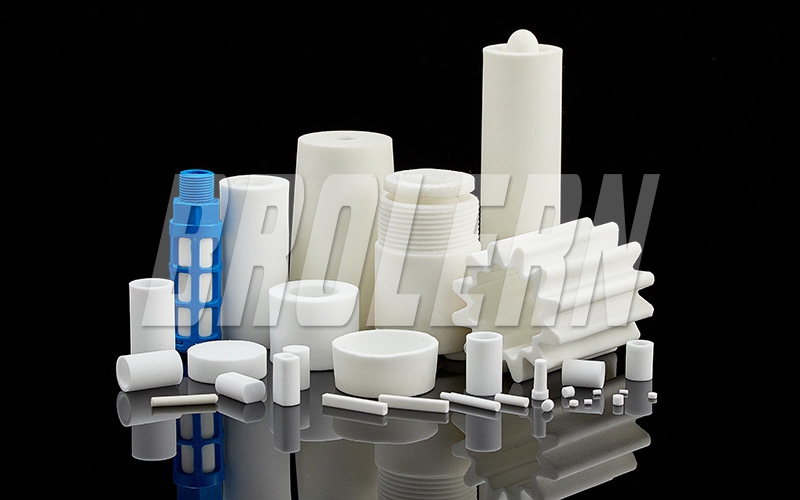
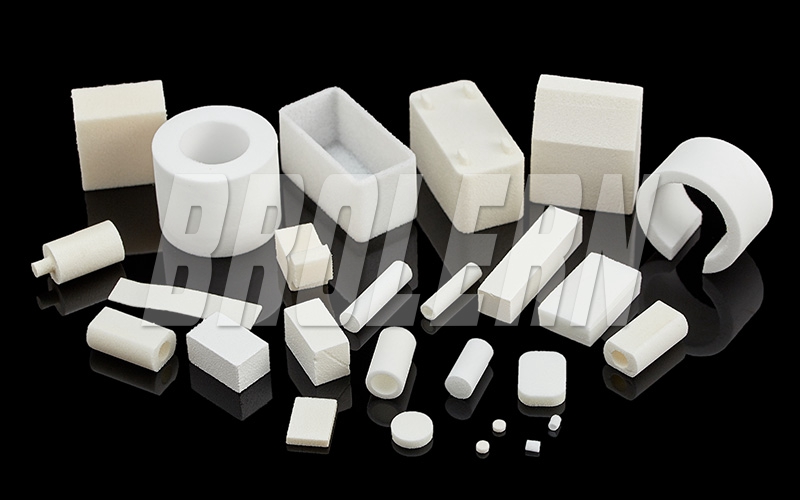
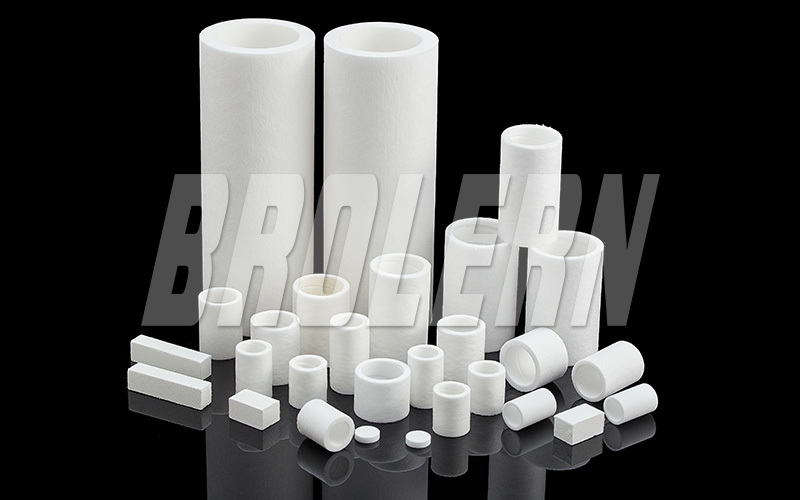
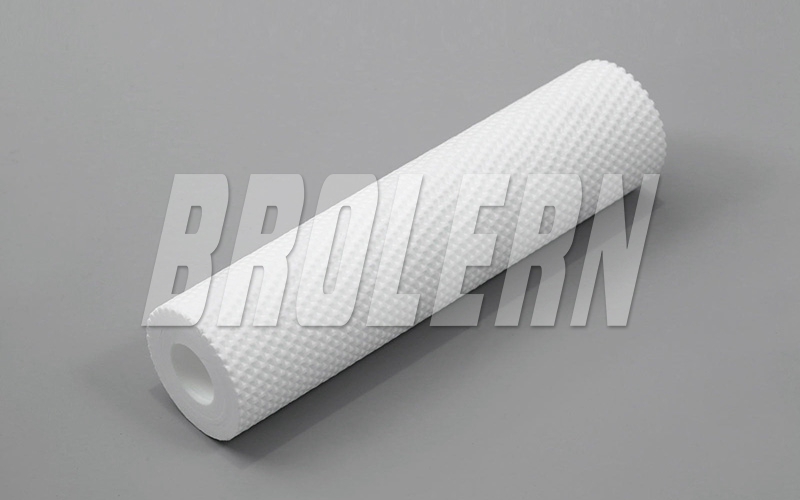
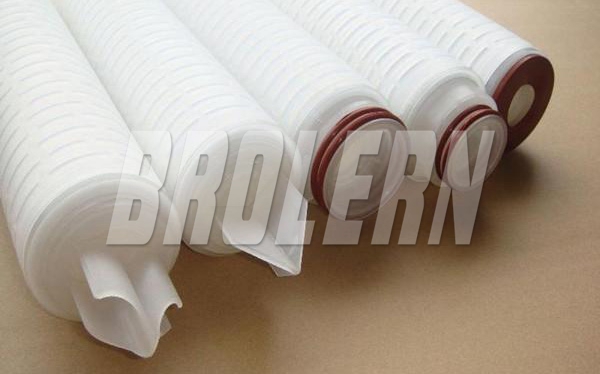
The seven cartridge media BROLERN produces - click any image to open the product page.
The three-question decision flow
Answer in order; each answer removes media from the shortlist.
1. Is the fluid aggressive (strong acid, hot caustic, solvent, oxidizer, seawater, steam)?
Yes → 316L stainless steel or PVDF. No → keep plastics, bronze, fiber, melt-blown, pleated open.
2. What is the operating temperature?
>300 °C → 316L or bronze. 90-135 °C → PVDF or 316L. 60-90 °C → plastic, PP pleated, fiber. ≤60 °C → any polymer media.
3. Do you need to clean and reuse, or validate for a regulated line?
Reuse / CIP / steam → sintered 316L, sintered plastic, sintered bronze. Regulated (pharma/food/electronics) → 316L or sintered plastic with the right certificates; PVDF for hot loops. Single-use economy → melt-blown or pleated.
Where the other buyer guides take over
- Micron rating confusion (nominal vs absolute, beta ratio) - read the datasheet guide.
- Building a staged train (melt-blown then pleated) - see the staged-filtration article.
- Cost over the life of the element - see the total-cost-of-ownership article.
- Interfaces and seals - see the end-caps and seals article.
FAQ
How do I choose between melt-blown and pleated?
Melt-blown is a low-cost depth element with high dirt-holding for pre-filtration; pleated is a larger-area surface element with lower initial pressure drop, longer life and an absolute rating for final polish. Many lines stage the two.
Is sintered stainless steel worth the premium?
When the duty is hot, corrosive, sterile or CIP/steam-cleaned, its reusability and validation package usually beat disposable media on total cost. For ambient mild water it is over-specified.
Can I mix media in one housing line?
Yes - that is staging. A common pattern is melt-blown (or string-wound) pre-filter followed by a pleated or membrane final element. Match end caps and seals across the line.
Conclusion
The fastest way to a correct specification is to fix the duty first - fluid, temperature, pressure, cleanliness requirement and budget - then shortlist one or two media before you ask for a quote. The articles below go deeper on each media and on the procurement steps.
Applying this to your process?
Send BROLERN your fluid data sheet (chemistry, temperature, flow, target micron and seals) and we will shortlist the media, return a drawing and quote. Start from the product index or the RFQ form. For a staged train or a regulated line, ask for a sample first - see our pilot-order guide.