Core points
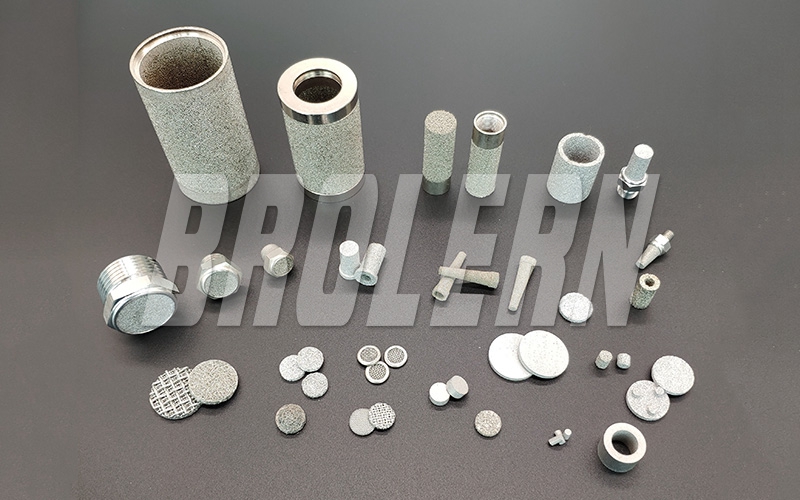
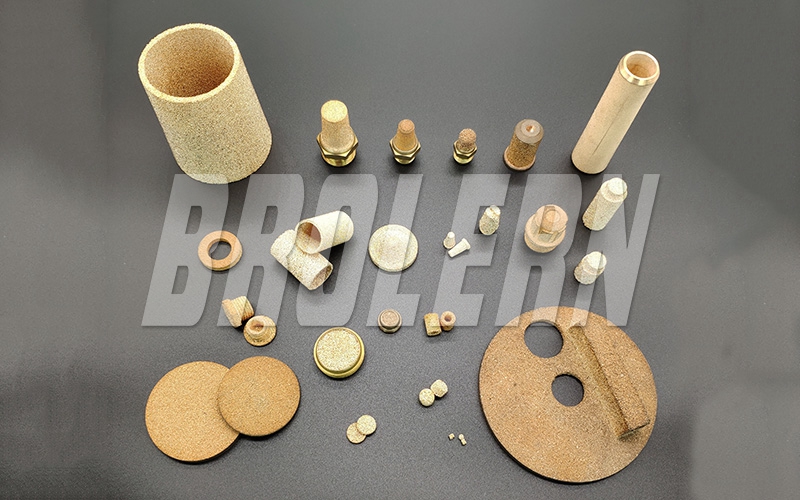
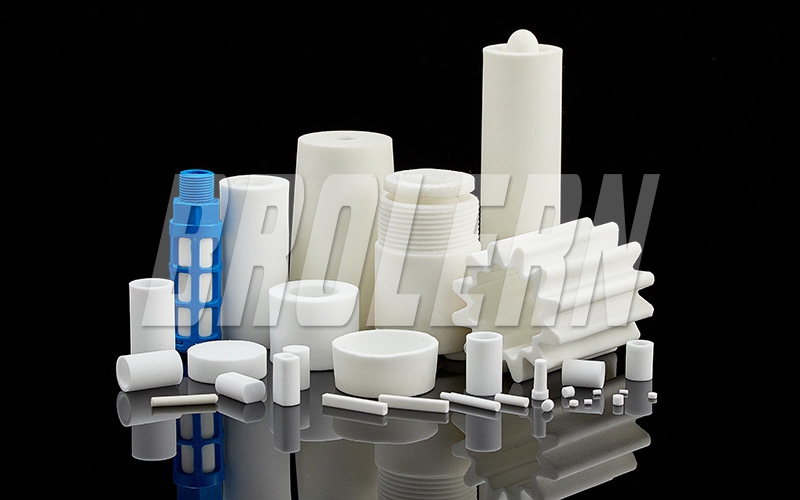
- Polymer media (PP, PE, melt-blown, pleated-PP) cap at roughly 60-90 °C; PVDF reaches 90-135 °C; sintered bronze about 300 °C; 316L stainless steel 600-900 °C.
- Pressure: pleated and sintered stainless steel take high differential pressure and reverse flow; disposable depth media are lower-pressure elements.
- Failure modes differ by media - softening and creep for polymers, oxidation for bronze at high temperature, media migration for depth media at high differential pressure.
- When steam or SIP is part of the cycle, only sintered 316L stainless steel is a safe default.
Temperature envelope
| Duty temperature | Media that survive | Cautions |
|---|---|---|
| Cryogenic to 0 °C | 316L SS, bronze, PP, PVDF | Check seal brittle point (NBR/EPDM) |
| 0-60 °C (ambient) | All polymer media, all metals | Default band - cost drives choice |
| 60-90 °C | PVDF, 316L SS, sintered plastic, PP (limit) | PP/PE near top of band; verify |
| 90-135 °C | PVDF (short), 316L SS, bronze, glass fiber | PVDF continuous ~90-100 °C |
| 135-300 °C | 316L SS, bronze, glass fiber | Polymers excluded; steam needs SS |
| >300 °C | 316L SS (to 600-900 °C) | Only sintered metal; no polymers |
High-temperature and high-pressure duties are led by sintered metals and PVDF - open the product page for ratings.
Pressure envelope
| Duty pressure | Media that survive | Notes |
|---|---|---|
| Vacuum / low (≤0.5 MPa) | All | Depth media can deform; support core helps |
| Medium (0.5-3 MPa) | Pleated, sintered metal, PP depth | Use a support core for depth media |
| High (≥3 MPa) / reverse flow | Sintered 316L SS, sintered bronze | Depth disposables migrate media |
Failure modes to design against
- Softening / creep - polymers above their limit bulge and bypass; stay inside the temperature band.
- Oxidation - bronze at very high temperature in air loses strength; 316L is the high-temperature default.
- Media migration - loose depth media at high differential pressure shed fibers; pleated or sintered elements avoid this.
- Seal squeeze - high pressure flattens soft O-rings; match durometer and groove to the duty.
FAQ
Which cartridge for 120 °C hot DI water?
PVDF for the continuous band, or sintered 316L stainless steel if steam or SIP is also in the loop. PP/PE are at or beyond their limit.
Can plastic survive steam?
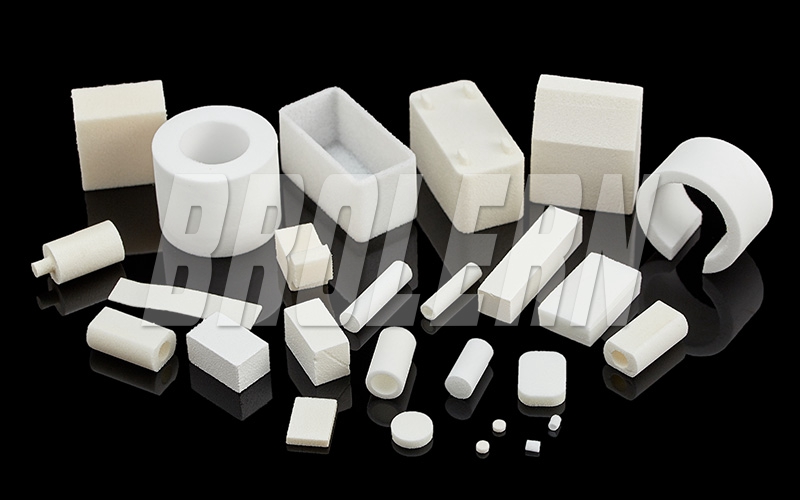
No - sintered plastic is rated to about 80 °C with short 130 °C steam exposure only in specific CIP cycles. For routine steam/SIP use sintered 316L.
How does pressure change the choice?
At high differential pressure or reverse flow, only pleated (supported) or sintered metal elements hold their structure. Depth disposables can migrate media and should be supported.
Conclusion
The fastest way to a correct specification is to fix the duty first - fluid, temperature, pressure, cleanliness requirement and budget - then shortlist one or two media before you ask for a quote. The articles below go deeper on each media and on the procurement steps.
Applying this to your process?
Send BROLERN your fluid data sheet (chemistry, temperature, flow, target micron and seals) and we will shortlist the media, return a drawing and quote. Start from the product index or the RFQ form. For a staged train or a regulated line, ask for a sample first - see our pilot-order guide.