Core points
- Start from flow per 10-inch equivalent: a pleated element gives roughly 2-3x the effective area of a depth element, so you need fewer of them.
- Differential pressure rises with the square of flow and with dirt loading; service life ends at the housing maximum (often 2-4 bar).
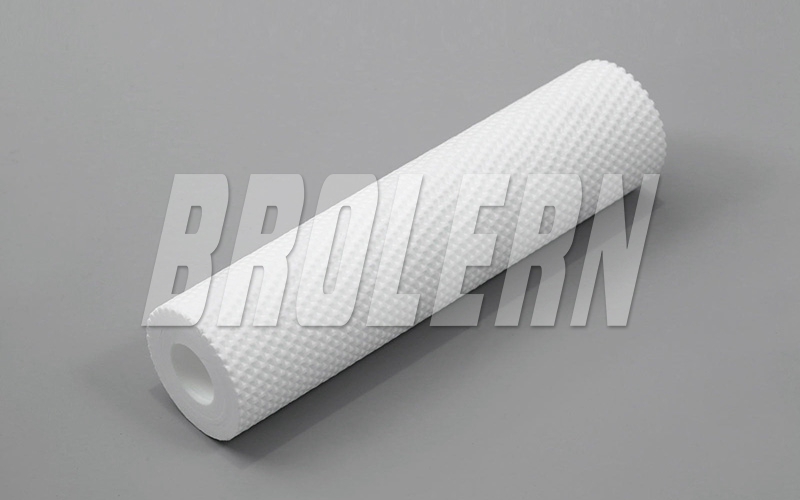
- Depth media (melt-blown, string-wound, sintered) hold more dirt; pleated gives lower initial pressure drop and longer life per element.
- Viscous fluids need fewer elements per housing or larger area - do not size a viscous line with water rules.
Step 1 - flow per 10-inch equivalent
Use the table as a planning rule of thumb at the stated micron rating and water-like viscosity. Your housing defines how many 10-inch equivalents fit (a 20-inch element = 2 equivalents, 40-inch = 4).
| Media | Typical flow per 10" @ 10 µm | Dirt holding | Initial ΔP |
|---|---|---|---|
| Melt-blown (PP) | ~0.5-1.0 m³/h | High | Medium |
| String-wound | ~0.5-1.0 m³/h | High | Medium |
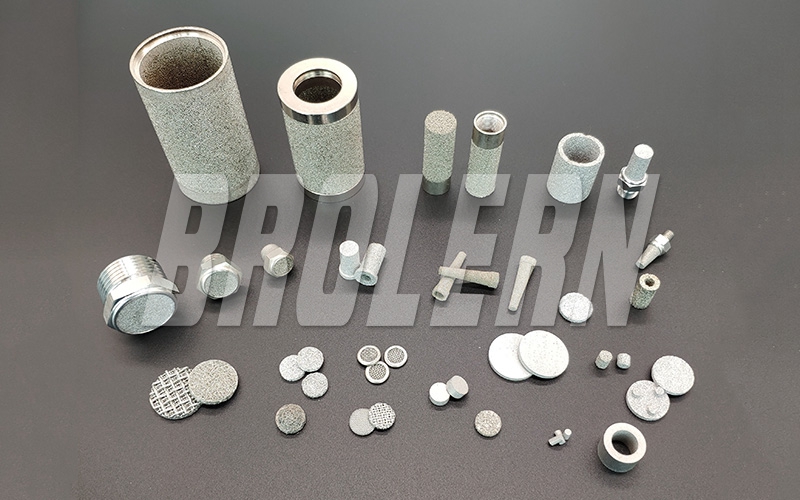
| Sintered (plastic/metal) | ~0.5-1.5 m³/h | High (cleanable) | Low-Medium |
| Pleated PP/PES | ~1.5-3.0 m³/h | Medium | Low |
| Pleated PTFE/SS | ~1.0-2.5 m³/h | Medium (SS cleanable) | Low |
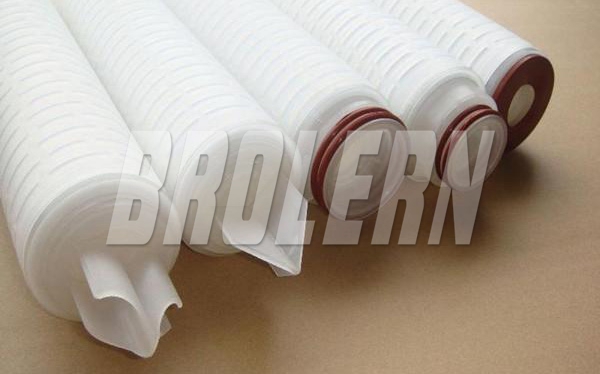
Depth (melt-blown/sintered) vs surface (pleated) - the area difference drives how many elements you need.
Step 2 - worked example (water pre-filter)
Duty: 20 m³/h, 10 µm, water-like, melt-blown pre-filter.
At ~0.8 m³/h per 10-inch equivalent you need 20 / 0.8 ≈ 25 equivalents. In 40-inch housings (4 equivalents each) that is about 7 elements; in 20-inch housings (2 each) about 13 elements. Drop to 5 µm or use pleated and the count changes - always confirm against the supplier curve.
Step 3 - predict change-out
Service life ends when ΔP reaches the housing limit. Two levers:
- Dirt load - high suspended solids burns depth media fast; stage a coarse pre-filter to protect the final element.
- Area - more area (pleated, or more elements) lowers initial ΔP and stretches the interval.
Rule of thumb: if you change elements more than monthly, add area or stage; if ΔP never climbs, you over-specified and can use a coarser or cheaper element.
Viscous fluids
Oil, syrup and resin need lower flux. Size at 30-60% of the water figure and prefer pleated (more area, lower ΔP) or sintered (cleanable) media. Heating the stream, if allowed, also cuts the element count.
FAQ
How many cartridges do I need for my flow?
Divide your flow rate by the per-10-inch flow in the table, then convert to your housing length (20-inch = 2 equiv, 40-inch = 4). Confirm against the supplier pressure-drop curve.
Pleated or melt-blown for high flow?
Pleated - its larger area gives lower initial pressure drop and fewer elements for the same flow, at a higher unit price but often lower total cost.
How often should I change the cartridge?
When differential pressure reaches the housing maximum (commonly 2-4 bar). High dirt load shortens the interval; staging and more area lengthen it.
Conclusion
The fastest way to a correct specification is to fix the duty first - fluid, temperature, pressure, cleanliness requirement and budget - then shortlist one or two media before you ask for a quote. The articles below go deeper on each media and on the procurement steps.
Applying this to your process?
Send BROLERN your fluid data sheet (chemistry, temperature, flow, target micron and seals) and we will shortlist the media, return a drawing and quote. Start from the product index or the RFQ form. For a staged train or a regulated line, ask for a sample first - see our pilot-order guide.