Core points
- In oil service the decision is usually driven by a cleanliness code (ISO 4406 or the older NAS 1638), not by a micron label on the box.
- The code tells you how many particles above a size you can tolerate; the element's beta ratio tells you how well it removes them. You need both.
- Return-line, pressure-line and suction filters are different jobs with different micron targets - specifying one element for all three is a common and costly mistake.
- For oil that must stay in specification over long intervals, a fine surface element with a high beta ratio, sized for the actual flow, is usually the right answer.
Reading an ISO 4406 code
An ISO 4406 code is three numbers, for example 18/16/12, describing the particle count per millilitre at 4, 6 and 14 µm(c). Higher numbers mean dirtier oil. So 18/16/12 is cleaner than 20/18/15. The older NAS 1638 scale runs the other way - a lower number is cleaner - so always check which scale a code is on before comparing.
Which filter position, which target
| Position | Job | Typical target |
|---|---|---|
| Suction / inlet | Protect the pump from large debris | Coarse, ~25-100 µm |
| Pressure / feed | Protect downstream components and the control spool | Fine, ~3-10 µm |
| Return | Clean the oil before it goes back to the tank | Fine, matched to the target code |
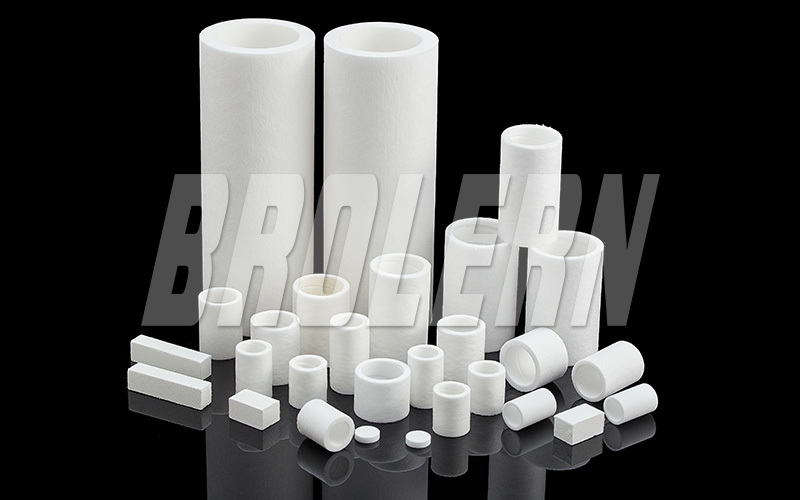
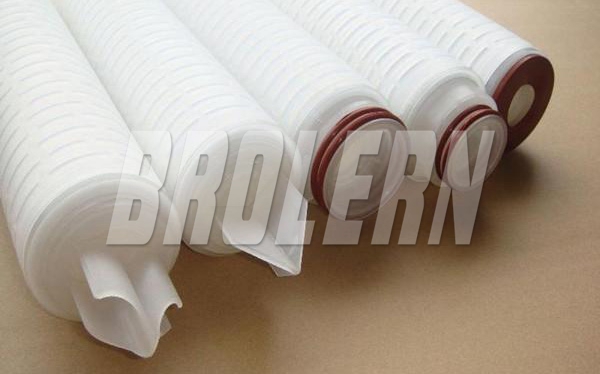
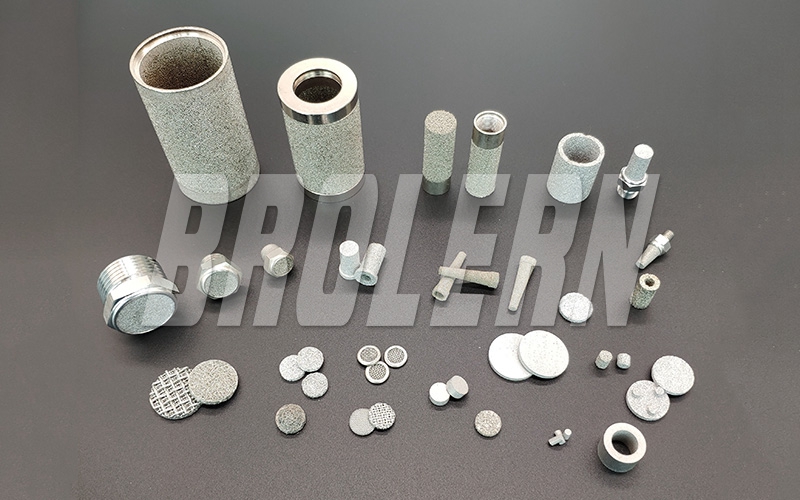
Oil-service elements: fibre for hydraulic and lube duty, sintered metal where cleaning beats replacement.
Matching beta ratio to the code you need
The beta ratio is the efficiency of the element at a given particle size. A high beta at the size that matters is what actually delivers the cleanliness code - a cartridge labelled with a small micron but a mediocre beta will not get you there. State the target code to the supplier and let them select the element and beta combination that reach it at your flow, rather than specifying a micron on your own.
Element material in oil service
- Glass fibre - the usual choice for hydraulic and lube oil; robust in oil, good beta performance, economical.
- PP fibre / melt-blown - suitable where the duty is milder and cost is the driver.
- Sintered metal - where the oil is very dirty, hot or must be cleaned rather than replaced, or where the fluid is aggressive.
See our fibre cartridge range and sintered stainless options, and the pleated elements used for fine return-line polishing.
FAQ
What does ISO 4406 18/16/12 mean?
It is the particle count per millilitre at 4, 6 and 14 microns. Because higher numbers mean dirtier oil, 18/16/12 is a cleaner target than 20/18/15.
Do I need the same filter at all three positions?
No. Suction takes a coarse element to protect the pump, pressure and return lines take fine elements to protect components and hold the code. Using one element for all three is a frequent and costly mistake.
Beta ratio or micron label - which matters more?
The beta ratio at the size you care about. The micron label alone tells you little about what the element actually removes at your flow.
Conclusion
A filter cartridge is a small part of a larger system, and the expensive mistakes are almost always specification mistakes made before the quote. Fix the duty first, then choose the format and the media, then put the acceptance tests in writing. Send BROLERN your fluid data and we will return a drawing, a media recommendation and a test protocol.
Applying this to your process?
Send us the duty sheet - fluid, temperature, pressure, flow, target micron, housing type and quantity - and we will return a shortlist with a drawing and a firm quote. Browse the product index or start from the RFQ form. Not sure of the format yet? Ask for two sample cartridges so your team can bench-test both.