Core points
- Two cartridges with the same printed micron rating can behave completely differently. Most disputes are settled by a test, not by a datasheet.
- Four checks catch almost every real defect: bubble point (or integrity), differential pressure at rated flow, dimensional conformance, and visual/odour inspection.
- Write the test method into the purchase order, including the standard, the pass criterion and who pays when it fails.
- Severity: a failed bubble point means the cartridge is defective; a high differential pressure means it is out of specification even though it will still pass air.
The four checks that matter
| Test | What it proves | Typical pass criterion |
|---|---|---|
| Bubble point (or integrity test) | The medium is not damaged and has no bypass path | Meets the rating declared by the manufacturer |
| Differential pressure at rated flow | Flow path is not blocked and the element is not over-dense | Within the maker's published maximum |
| Dimensional check | It will actually fit the housing and seal correctly | Within tolerance on OD, ID, length, thread |
| Visual and odour | Handling damage, media shedding, contamination | No cracks, no loose fibres, no off-odour |
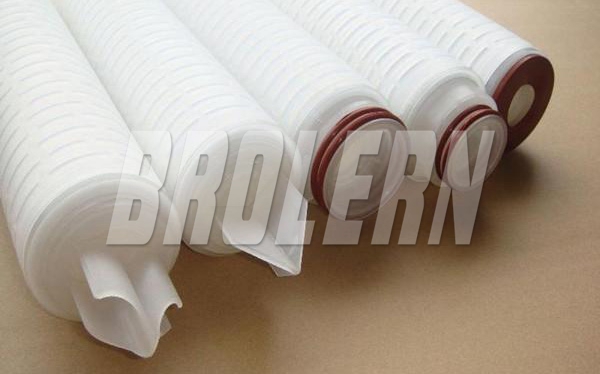
Test methods differ by element type - bubble point for membranes, weight and turbidity for depth and wound media.
How to read a bubble point result
Bubble point is the pressure at which air first passes through a wetted membrane. It is the most direct proof that a fine filter is intact. Two rules matter for buyers:
- Compare the measured value against the maker's declared value for that cartridge, not against a generic number. A 0.2 µm water cartridge and a 5 µm water cartridge have very different expected values.
- A cartridge that fails bubble point is defective. Do not install it "and monitor" - a bypass path will quietly degrade your product.
Differential pressure: the most misunderstood test
Measure pressure drop across a clean cartridge at its rated flow and water-equivalent viscosity. A clean new cartridge should sit comfortably below the maker's maximum. A cartridge that is far below specification is just as much a warning as one above it: it usually means the element is too loosely packed for the rating, and it will shed or short-circuit in service.
Adding a gravimetric test for depth media
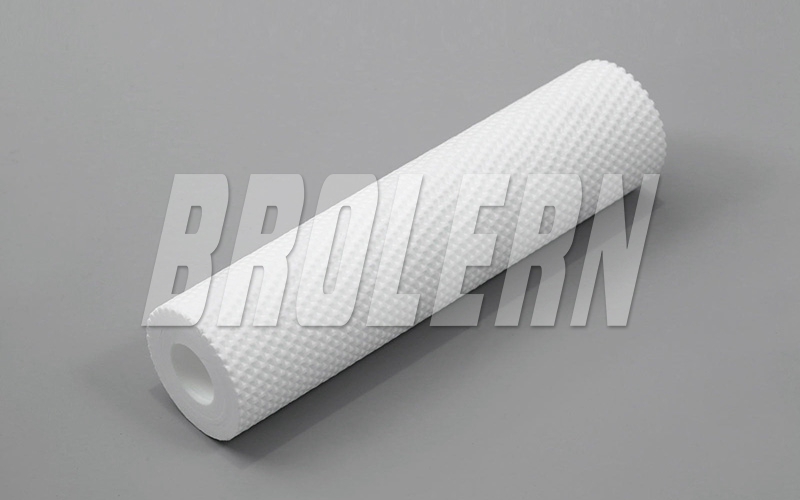
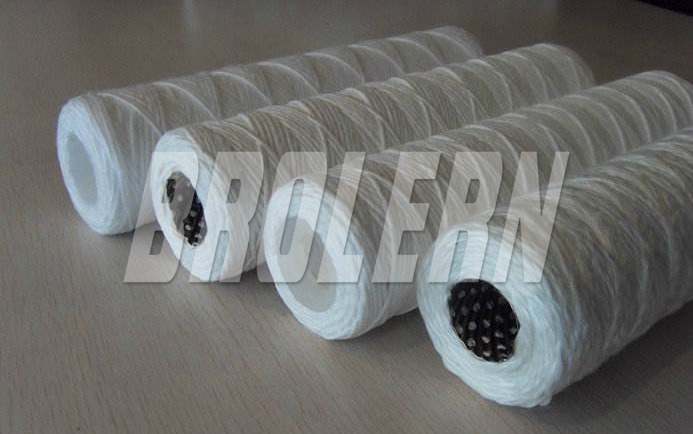
For melt-blown and string-wound elements, the accepted quality metric is often weight tolerance plus a turbidity or gravimetric rating, because these media have no bubble point. Ask the supplier to state the median and the tolerance, and to include the raw data with the shipment.
See our melt-blown and string wound ranges for the typical weights and structures these tests are applied to.
FAQ
Which test is the most important for a fine membrane cartridge?
The bubble point or integrity test. It is the only test that directly proves the medium has no bypass, and a fine cartridge that fails it is unusable regardless of how it looks.
Do all suppliers test their cartridges?
Reputable suppliers test batches, but not always every cartridge, and rarely at your standard. Put the test method, the pass criterion and the reporting format into the purchase order so it becomes a contractual requirement.
Who should pay for a failed incoming test?
State it in the PO. The normal commercial position is that the supplier replaces or credits cartridges that fail an agreed incoming test, provided the method is written down in advance.
Conclusion
A filter cartridge is a small part of a larger system, and the expensive mistakes are almost always specification mistakes made before the quote. Fix the duty first, then choose the format and the media, then put the acceptance tests in writing. Send BROLERN your fluid data and we will return a drawing, a media recommendation and a test protocol.
Applying this to your process?
Send us the duty sheet - fluid, temperature, pressure, flow, target micron, housing type and quantity - and we will return a shortlist with a drawing and a firm quote. Browse the product index or start from the RFQ form. Not sure of the format yet? Ask for two sample cartridges so your team can bench-test both.