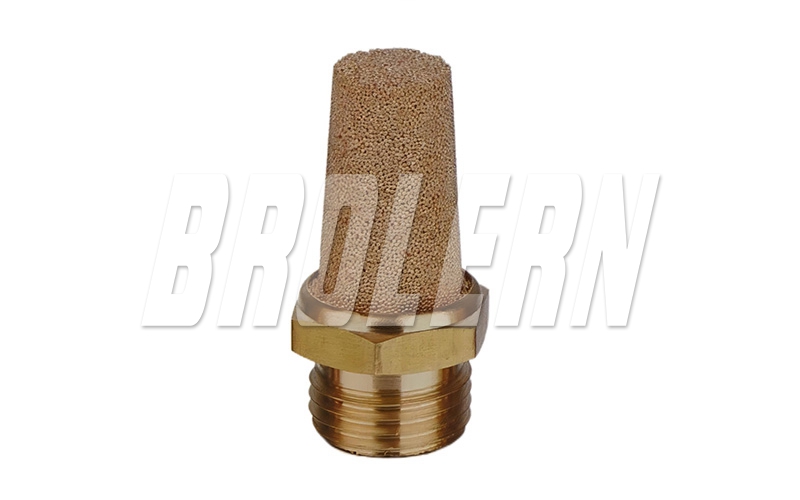
Core points
- The format decision sets your capacity, your pressure drop and your changeout cost. Media is second in the sequence, not first.
- Inline cartridges suit low to moderate flow and small equipment; housings suit higher flow and serviceable elements; bag filters suit high flow and coarse duty.
- Bags are the cheapest per litre of capacity and the least precise. They are a pre-filter workhorse, not a fine-polish answer.
- Decide the format first, then the media, then the micron - in that order.
Comparing the three formats
| Format | Typical flow | Precision reach | Changeout | Best fit |
|---|---|---|---|---|
| Inline cartridge | Low to moderate | Fine (to sub-micron) | Replace element | Point-of-use, small equipment |
| Cartridge housing | Moderate to high | Fine | Replace element | Process lines needing serviceable fine filtration |
| Bag filter | High | Coarse to medium | Replace bag | Pre-filtration, high-dirt, water and process |
Choose the format first, then the media within the flow envelope it allows.
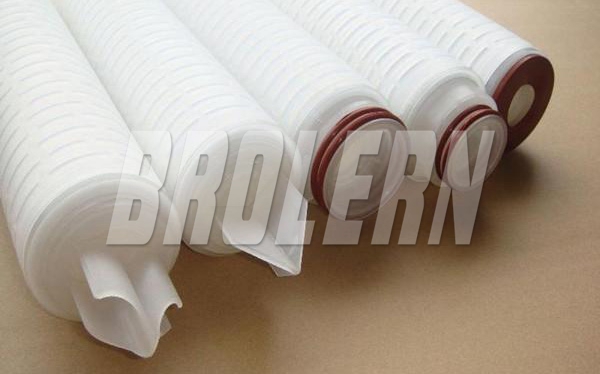
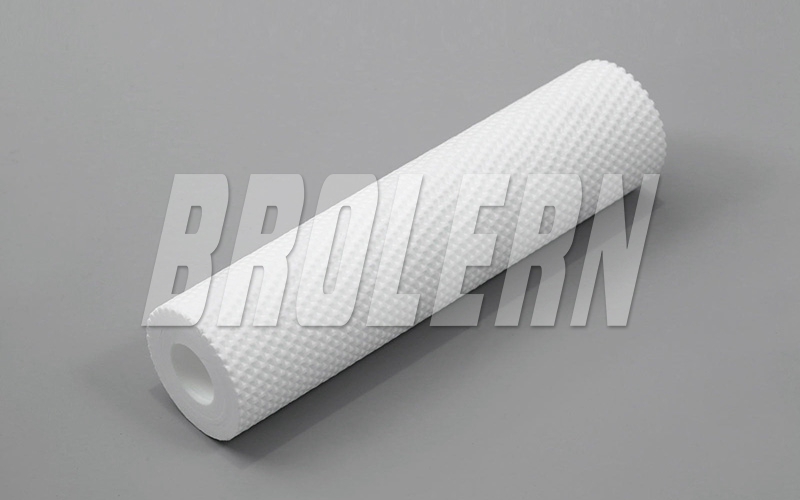
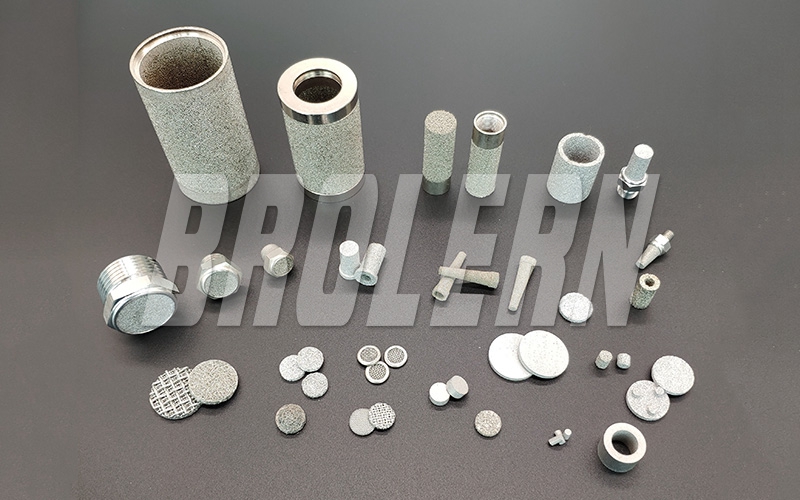
Pressure drop is where format costs you
A bag has a large open area and therefore a low pressure drop at high flow; a fine cartridge has a smaller area and a higher drop for the same flow. This is why a fine cartridge in a small housing becomes an energy bill. If flow is high and duty is coarse, a bag or a high-area pleated element in a proper housing is the economical answer; if the duty is genuinely fine, size the housing so the fine element is not fighting the flow.
Changeout cost, not unit price, decides the format
Compare formats on cost per thousand operating hours, not on the price of a single element. A cheaper bag run on a short interval can cost more than a longer-life cartridge, and the reverse is also true. The changeout interval is a design output - it depends on the media, the area you chose, and the dirt load - so it has to be estimated before you order.
FAQ
Should I choose the media or the format first?
The format first. Flow, capacity and changeout are largely set by the format; the media then decides precision and chemistry within that envelope.
Are bag filters good enough for final filtration?
For coarse and medium duty, yes. For fine or sterile duty, no - bags are normally the pre-filter stage in front of a fine cartridge.
How many cartridges fit one housing?
It depends on the housing length and the element dimensions. A 20-inch housing typically takes two 10-inch elements; a 40-inch takes four. Always confirm against the housing drawing.
Conclusion
A filter cartridge is a small part of a larger system, and the expensive mistakes are almost always specification mistakes made before the quote. Fix the duty first, then choose the format and the media, then put the acceptance tests in writing. Send BROLERN your fluid data and we will return a drawing, a media recommendation and a test protocol.
Applying this to your process?
Send us the duty sheet - fluid, temperature, pressure, flow, target micron, housing type and quantity - and we will return a shortlist with a drawing and a firm quote. Browse the product index or start from the RFQ form. Not sure of the format yet? Ask for two sample cartridges so your team can bench-test both.